The Yule Log: A Symbol of Warmth
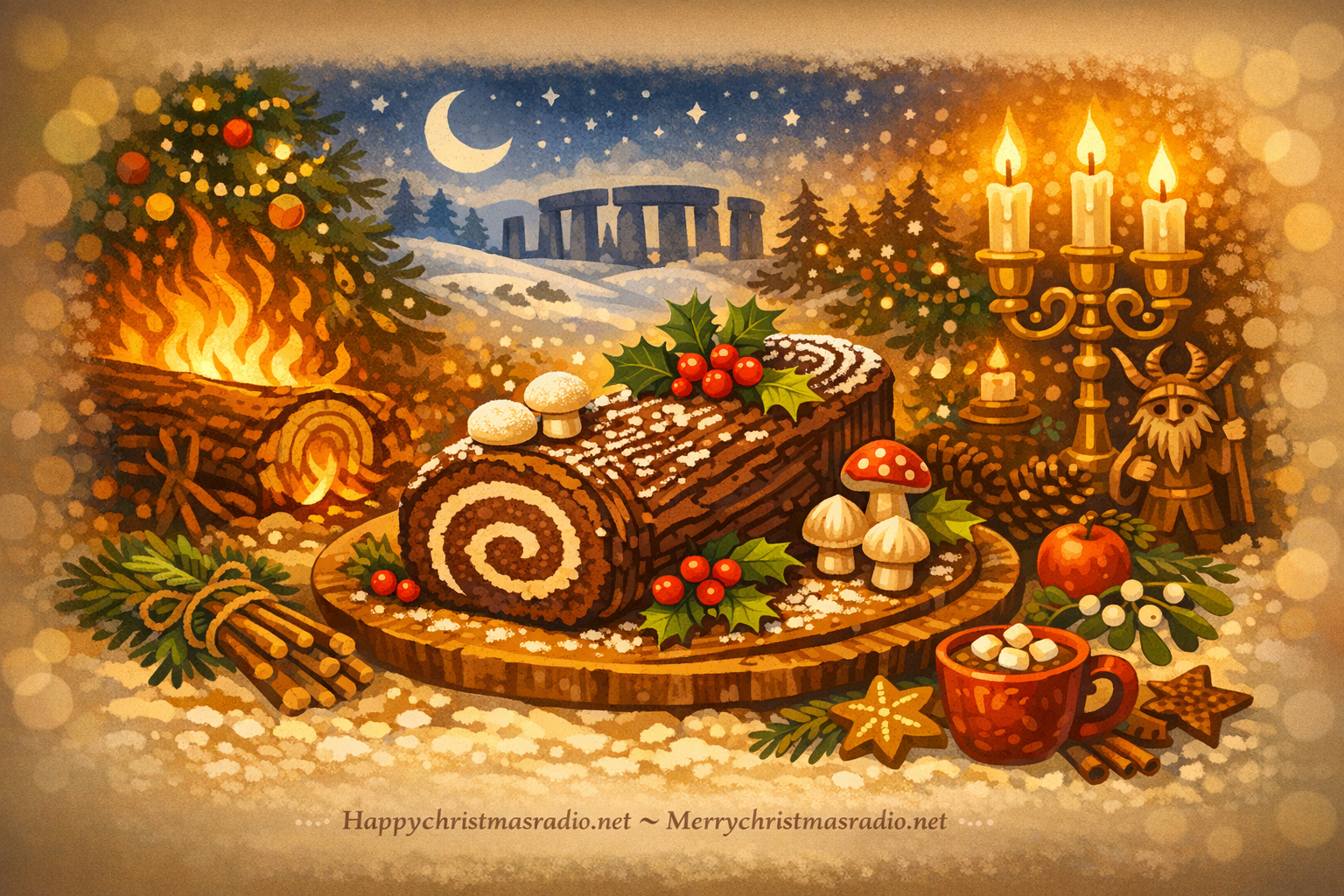
The Yule log has long been a cherished symbol during the Christmas season, representing warmth, light, and the joys of winter gatherings. Its history, however, stretches back far beyond modern festive traditions. Originally, the Yule log was a large piece of wood burned in the hearth during the winter solstice. This ancient practice was rooted in pagan rituals celebrating the return of the sun and the renewal of life as daylight began to lengthen.
Pagan Roots and Winter Celebrations
During pre-Christian times, various cultures celebrated the winter solstice with fire rituals. The Norse, for instance, honored the Yule season by lighting an enormous log to symbolize the rebirth of the sun. As Christianity spread across Europe, many of these pagan customs were adopted and adapted into new traditions. The Yule log became associated with Christmas, blending its original significance with the celebration of Christ's birth.
From Firewood to Dessert
As time progressed, the Yule log evolved from a physical log burned in the fireplace to a delightful dessert enjoyed at holiday gatherings. In the 19th century, French bakers crafted the "bûche de Noël," a chocolate cake shaped like a log, which became a popular Christmas treat. This decadent dessert not only pays homage to the original Yule log but also adds a touch of sweetness to holiday celebrations.
Today, whether you're cozying up by the fire with a traditional Yule log or indulging in a rich chocolate version, the spirit of the Yule log continues to warm hearts during the Christmas season. Embrace this beautiful blend of history and modernity, and consider adding a Yule log to your holiday traditions this year!